


Thinking of exploring Andalucia without a car? This practical guide to travelling Andalucia by train covers everything first-timers need to know — from the best routes and stations to real travel tips that’ll save you time, money, and stress on the rails.
By Liza S. | Updated 9 Sep 2025 | Andalucia | Cities |
Login to add to YOUR Favourites  or Read Later

Thinking about exploring southern Spain by train? You're in the right place. Train travel in Andalucia is not only easy and efficient, it’s also one of the best ways to soak up the region’s cities, culture, and landscapes without the stress of driving.
On my very first trip to Andalucia, I got around entirely by train — no car, no problem. And honestly? I fell in love with it. Since then, I’ve travelled all over the region by rail, and it’s still one of my favourite ways to explore.
In this guide, I’ll walk you through everything you need to know, from the types of trains to the best routes and my top practical tips, so you can feel confident, prepared, and excited to hop aboard and discover Andalucia by train.
If you're not planning to drive, good news: Andalucia is one of the easiest regions in Spain to explore by train. The rail network connects major cities like Seville, Malaga, Cordoba, and Granada, making it ideal for a culture-packed itinerary without needing to hire a car.
If you’re arriving in Madrid, in my opinion, taking the train is the best way to get to Andalucia thanks to the high-speed trains.
Coming from Barcelona? You’ll have to connect through Madrid and then onwards to southern Spain.
Even beyond convenience, visiting Andalucia by train has a lot going for it:
It’s also a stress-free option if you're not used to driving abroad or just want to focus on enjoying the ride. And for solo travellers, couples, or anyone doing a shorter trip, trains often make more sense than hiring a car.
On my first ever trip to Spain, which I did solo, I only travelled via trains. It was economical, easy, and I really enjoyed the experience.
That said, not everywhere is accessible by rail — and we’ll get into that later. But for covering the big highlights (and a few hidden gems), Andalucia by train is a brilliant choice.

When it comes to train travel in Andalucia, not all trains are created equal. There are a few different types you’ll encounter and knowing the difference will help you plan smarter and travel more comfortably.
AVE (Alta Velocidad Española)
These are Spain’s famous high-speed trains, and they’re a game-changer for long distances.
AVE trains link major cities like Seville, Malaga, Cordoba, and Madrid at speeds of up to 300 km/h. They’re sleek, modern, and fast. You’ll get assigned seats, air conditioning, and often a café car onboard.
AVE trains are generally more expensive, but if you book early, you can grab bargain fares that rival the cost of a bus (with 10x the comfort and speed).
Avlo and OUIGO
If you’re coming into Andalucia from Madrid or Barcelona, you might spot Avlo (Renfe’s low-cost AVE) or OUIGO (a French company running budget high-speed trains) when you’re looking up train tickets in Spain.
They don’t run within Andalucia yet, but they’re useful for getting to Seville, Malaga, or Cordoba from elsewhere in Spain.
Alvia & Avant
Alvia and Avant are 2 other types of high-speed trains in Spain. But what are the differences?
Avant trains use the same lines as AVE trains but they typically cover shorter distances (less than 2h journeys).
Alvia trains switch to conventional tracks and travel at normal speeds for part of the route. So they are not quite as fast as AVE trains and will have a longer travel time. For example, an Alvia train from Madrid to Seville will take 20-30 minutes more than an AVE train.
Here's a quick comparison of the 3 high-speed train services available to get to Andalucia.
| Feature | AVE | Avlo | OUIGO |
|---|---|---|---|
| Operator | Renfe (Spain’s national rail company) | Renfe (Spain’s national rail company) | SNCF (France’s national rail company) |
| Type | High-speed (up to 310 km/h) | High-speed (budget AVE) | High-speed (budget) |
| Routes to Andalucia | Madrid ↔ Seville, Malaga, Cordoba, Granada | Madrid ↔ Seville, Malaga, Cordoba | Madrid ↔ Seville, Malaga, Cordoba |
| Train Classes | Standard (2nd class) & Comfort (1st class) | One class only | Standard & OUIGO Plus |
| Seat Selection | Included with most fares | Extra cost | Extra cost |
| Luggage | Generous (2 bags + hand luggage) | Only 1 small bag included (extras cost more) | Only 1 small bag included (extras cost more) |
| Food Service | Café car, snack service on longer routes | No food service | Limited or no food service |
| Onboard Wi-Fi | Some services offer free Wi-Fi | With a fee | With a fee |
| Atmosphere | Quiet, spacious, business-friendly | Simple, functional, family-friendly | Lively, often crowded |
| Price Range | Mid-to-high (but early bookings = great deals) | Budget-friendly | Ultra-budget (fares from ~€9 if booked early) |
| Best For | Comfort, flexibility, and frequent departures | Budget-conscious travellers with light bags | Ultra-budget travellers willing to trade comfort for price |
Media Distancia trains are slower regional services that connect smaller cities and towns — think Seville to Cádiz or Malaga to Ronda.
These trains aren’t high-speed, but they’re reliable and often pass through gorgeous countryside. Seat reservations aren’t always required, and they tend to be cheaper than AVE.
Cercanías trains are local, short-distance services. You’ll find them in metro areas like Seville, Malaga, and Cádiz, great for hopping between the city centre and outlying suburbs or beach areas.
Tickets are super cheap, and you can usually buy them at the station on the day.
If you’re planning to explore Andalucia by train, it helps to know which cities work best as your base or connection point.
The region’s rail network is strongest between the major cities and these hubs are where most journeys begin or end.
Seville is one of the best-connected cities in southern Spain. Santa Justa station is a major AVE stop, with direct high-speed routes to:
In my experience, it’s the best base if you want to combine big-city culture with day trips by train.
Malaga’s María Zambrano station is modern and easy to navigate. It’s a major AVE stop on the Madrid–Malaga line and also connects to:
Bonus: the train station is right next to Malaga’s central bus station, making it a great hub for onward travel by bus as well.
If you're connecting from north to south, you’ll almost always pass through Cordoba — it’s like the central crossroad of Andalucian rail.
Granada used to be a bit of a black hole for train travel, but things have improved massively in recent years. Now you’ll find:
It’s not quite as well connected as the others, but still totally doable.

One of the best things about travelling in Andalucia by train is how easy it is to hop between the region’s iconic cities, many of which are connected by fast, comfortable rail lines.
Here are some of the most useful and enjoyable routes to know about.
This is the core of Andalucia’s high-speed rail network.
If you're planning to visit more than one major city, this route is a dream:
These trains are frequent, efficient, and a massive time-saver compared to driving. They’re perfect for combining cultural heavyweights like the Mezquita in Cordoba and the Alcazaba in Malaga into one seamless trip.
As you can imagine, it’s a popular route so I recommend buying these tickets in advance!
One of the best regional train routes in Andalucia. It’s not high-speed, but it’s frequent, scenic, and easy — and it drops you right into the heart of Cádiz.
You’ll pass salt flats, sea views, and charming small towns along the way.
This slower route winds through the mountains of inland Malaga, offering some truly stunning views.
If you love a good scenic train ride, this one’s a gem.
This historic route is a bit of a hidden secret.
Originally built by the British in the 1890s, it was designed to link Gibraltar with inland Andalucia and it’s still one of the most beautiful rail journeys in Spain.
These two cities are now directly connected — no more awkward changes or bus transfers!
This is a slower regional route with basic comfort, but it’s a straightforward way to travel between the two cities.
Booking train tickets in Spain can feel intimidating if it's your first time, so if you’d like to learn all about that, read my full guide on how to book train tickets in Spain.

Andalucia’s train stations range from big and bustling to small and sleepy — but even the major ones are easy to navigate once you know what to expect.
Here’s how it works.
Larger stations like Seville Santa Justa or Malaga María Zambrano have clear signage in Spanish and English, ticket machines, waiting areas, and cafés.
For high-speed AVE trains, you’ll go through a light security check (bags scanned, tickets checked). It’s nowhere near airport-level stress, but it’s still good to give yourself plenty of time to avoid feeling rushed.
Trains usually arrive just 10–15 minutes before departure — don’t panic if it’s not there yet!
You’ll either:
Top Tip: It’s totally fine to use digital tickets on your phone — just make sure your screen brightness is up and the code is scannable.
Good news: there are no weight limits, and you don’t need to check your bags.
There’s no faff with liquids or toiletries, either. Just hop on and stash your bag on the luggage racks at the end of each carriage or on the overhead shelves.
While I’d say that it’s generally safe to leave your luggage at the luggage racks, be sure to keep your valuables on you or place that bag on the overhead shelf within your line of sight.
Top Tip: Always bring your own water and snacks, especially on longer or regional journeys.
Yes, every train has toilets, and they’re generally clean and well maintained (especially on AVE). Still, bring tissues and hand sanitiser just in case.
Train travel in Andalucia is fantastic for covering the big cities and some inland towns but it won’t get you everywhere. Many of the region’s rural highlights, white villages, and natural parks aren’t served by rail or bus.
If there’s a rural destination you’re dying to see, consider adding a short car rental. You don’t need to hire a car for your whole trip — just a day or two can unlock so much more.
I personally use and recommend DiscoverCars.com when renting a car while travelling. I love being able to compare prices in one place and finding the rental that fits my needs.
Another option is to go on a guided day tour. With transportation included and a local guide to take you around, this can be a fantastic way to discover Andalucia’s hidden gems that aren’t accessible by public transportation.
Check out our Viator Shop for recommendations on the best day tours!
If the idea of planning all your train routes and hotel stays sounds a bit overwhelming, there's a brilliant alternative: book a flight-free trip with Byway.
They create fully tailored flight-free holidays through Spain and Andalucia (and beyond), using trains, charming local stays, and with lots of flexibility. I love that you can adjust the itinerary and opt to stay longer in certain places if you'd like! You still get that magical train journey experience but without the stress of figuring out all the logistics yourself.
It's the perfect choice if you want to travel by train in Spain without doing all the planning. I like that it's a nice middle ground between totally DIY-ing your trip and going on a structured tour.
???? Check out their Spain & Andalucia trips here
If you're planning your first trip to southern Spain and wondering whether you can get around without a car, the answer is a big yes.
In my opinion, train travel in Andalucia is one of the easiest, most enjoyable, and stress-free ways to explore the region’s major cities and cultural highlights.
You’ll get from place to place quickly, comfortably, and often with some lovely views along the way. It’s perfect if you’re not keen on driving abroad, want to save money on car hire, or just prefer to sit back and enjoy the ride.
That said, not everywhere is reachable by rail — and that’s okay. With a bit of planning, you can easily mix trains with local buses, day tours, or short-term car hire to see the best of both city and countryside.
And speaking from experience? I’ve done full Andalucia trips using nothing but the train and I’d absolutely do it again.
Buen viaje!
You may also want to read my guide on how to explore Andalucia without a car.
Check out our other transport and getting around guides:
© Visit-Andalucia 2015 - 2026
 Inspiring Quotes about andaluica
 Seville vs Granada vs Córdoba: Which One Deserves a Spot on Your Itinerary?
 How to Plan A Trip to Andalucia
 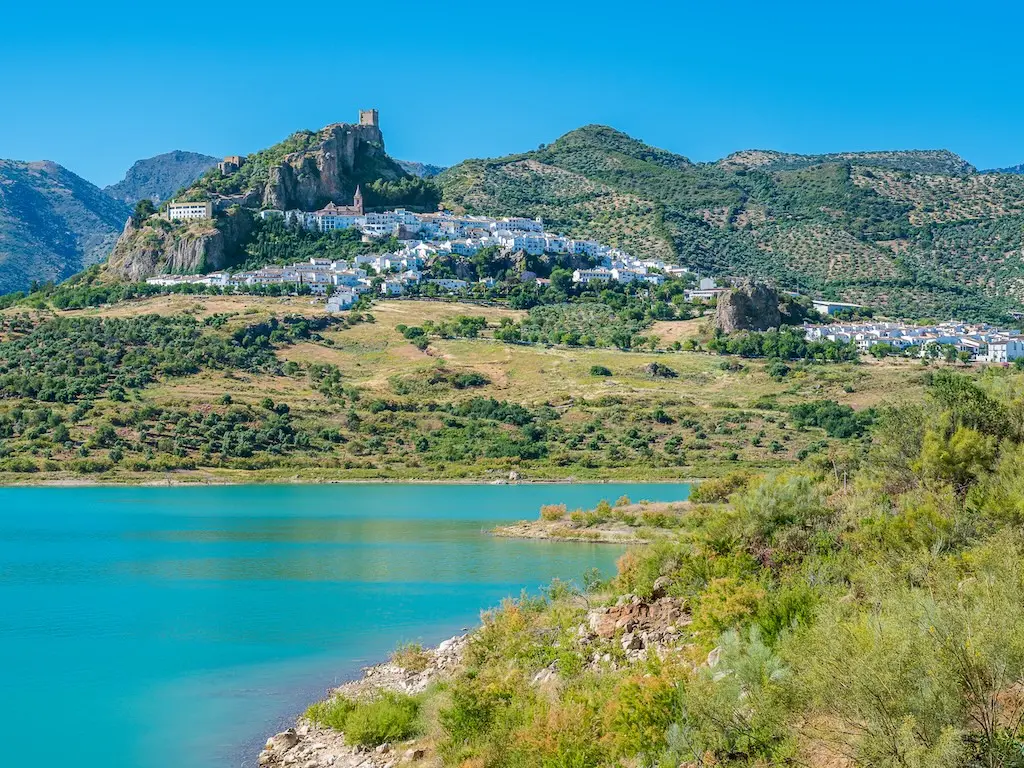 Most Beautiful White Villages in Andalucia
 How to Explore Andalucia Without A Car
 9 Reasons You Should Never Visit Andalucía (Unless You Want to Stay Forever)
 7 Secret Hidden Gems in Andalucia
 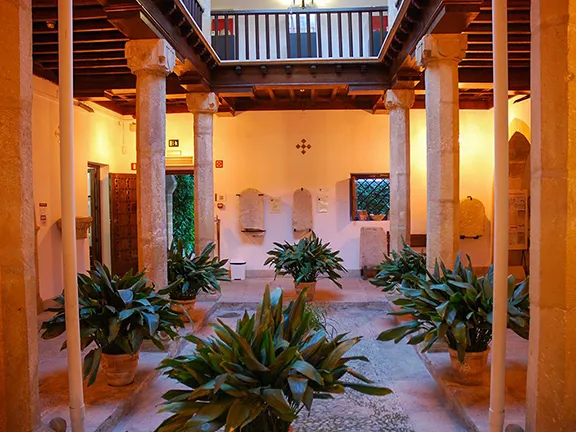 Úbeda Archaeological Museum

